How to Help Your Parents Downsize Without Pressure or Guilt
The best way to help your parents downsize is to start the conversation early, listen before offering solutions, and give them the opportunity to make decisions on their own timeline. When families plan ahead, the process becomes less stressful and preserves both independence and dignity.

For many families, the conversation about downsizing can feel emotional and complicated. A home often represents decades of memories, milestones, raising children, celebrating holidays, and building a life together. It's no wonder the idea of leaving it behind can bring feelings of uncertainty, grief, or even guilt.
Whether your parents live in Rancho Peñasquitos or anywhere else, one thing is almost always true: this isn't just about real estate. It's about helping someone you love navigate one of life's biggest transitions with dignity, compassion, and respect.
After helping many families through this season of life, I've learned that the best downsizing conversations aren't about convincing someone to move. They're about listening, understanding what's important to them, and helping them make decisions on their own timeline.
When Should You Start Talking to Your Parents About Downsizing?
The best time to start talking about downsizing is before it becomes urgent. Waiting until a health issue, fall, or unexpected life event forces a decision often leaves families feeling rushed and overwhelmed. Starting the conversation early allows everyone to explore options, ask questions, and make decisions thoughtfully rather than reactively.
In communities like Rancho Peñasquitos, many homeowners have lived in their homes for 20, 30, or even 40 years. They're active, independent, and deeply connected to their neighborhoods. Beginning the conversation while they still have choices allows them to remain in control of what the next chapter looks like.

Why Listening Matters More Than Pushing Decisions
One of the biggest mistakes families make is jumping straight into solutions.
Instead of asking, "When are you moving?" try asking questions like:
How are you feeling about maintaining the house?
Is there anything becoming more difficult than it used to be?
What would your ideal next chapter look like?
Those questions create conversation instead of conflict.
When parents feel heard, they're much more likely to share what's really on their mind, whether that's maintaining a large yard, climbing stairs every day, or simply wondering if there's an easier way to live.
Sometimes, simply understanding their home's value or learning about different housing options provides peace of mind, even if they decide not to move for several years.
Every Family's Story Is Different
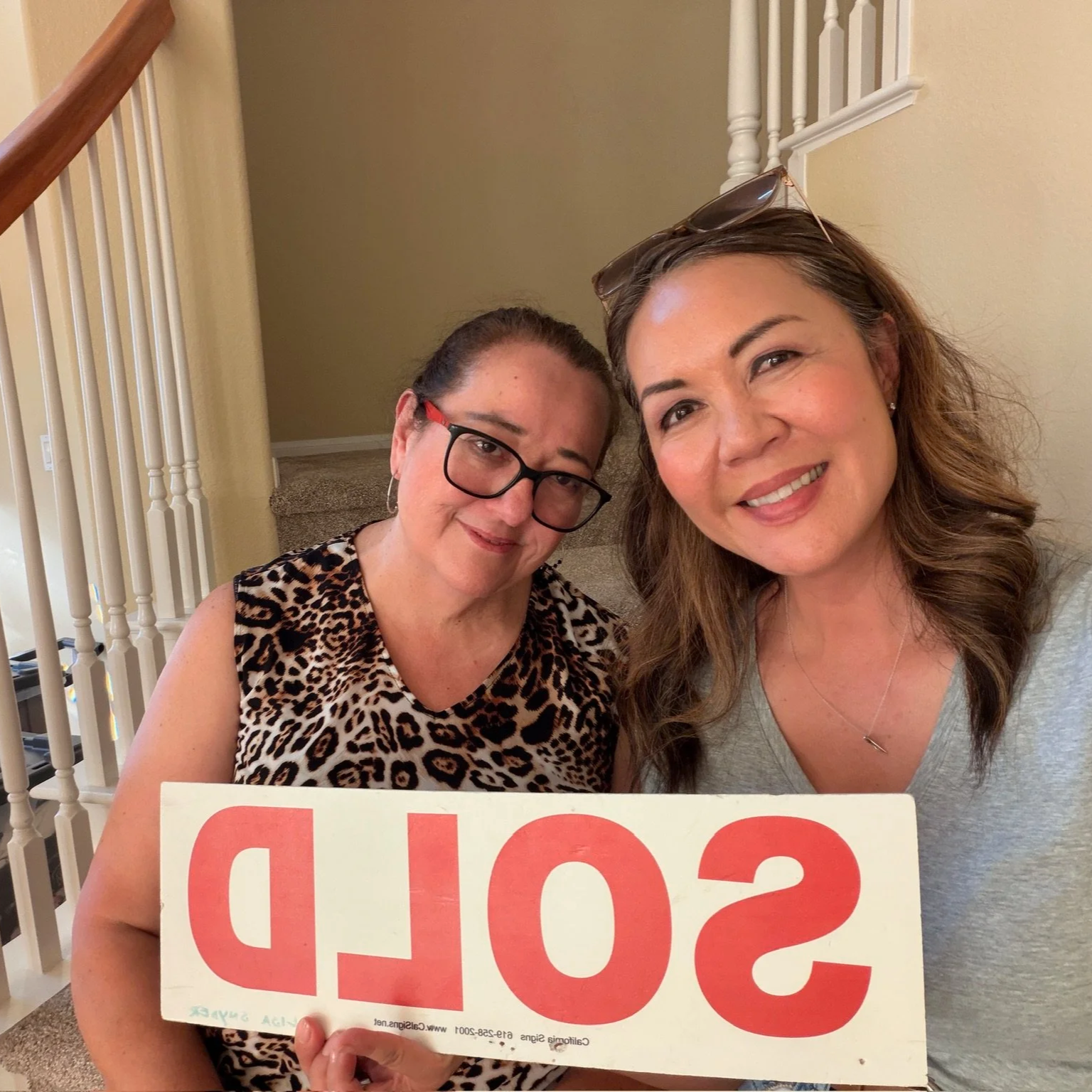
One of the most meaningful downsizing journeys I've had the privilege of being part of was with my client, Dolores.
After living in her home for many decades, Dolores made the decision to move to a 55+ community in Arizona to be closer to family. What made the experience so special wasn't just finding the right next home. It was that she got to experience the transition alongside her daughter.
Together, they sorted through decades of memories, decided what would come with her, what would be passed down, and what was ready for a new chapter. It wasn't just a move. It became meaningful time together that neither of them will ever forget.
Watching that process unfold was incredibly emotional for me. When my own mom passed away, I didn't have that opportunity. We never got to sit together and go through her belongings, hear the stories behind special keepsakes, or intentionally decide what the next chapter would look like. That chance was taken from us.
Helping Dolores reminded me how much of a gift it can be when families have the opportunity to make those decisions together before they're forced to.
It's one of the reasons I encourage families to begin these conversations sooner rather than later. Not because anyone has to move today, but because planning ahead gives you something that's incredibly valuable: choice.
The choice to move on your own terms. The choice to preserve your independence. And the chance to create meaningful memories together during what could otherwise feel like a difficult transition.
I shared more about the story HERE on my Instagram if you’d like to take a look.
What's the First Step in Helping Your Parents Downsize?
One of the biggest misconceptions about downsizing is that having the conversation means you have to make a decision right away.
It doesn't.
Sometimes the best first step is simply gathering information.
What is the home worth today?
What housing options are available?
Would a single-story home make life easier?
Would being closer to family improve your quality of life?
There is no pressure to move. But understanding your options today often makes tomorrow's decisions much less stressful.
Downsizing Can Be the Beginning of Something Beautiful
My role isn't to convince anyone to sell their home. It's to provide honest guidance, answer questions, and help families understand their options so they can make the decision that's right for them, whenever that time comes.
I've learned that helping families downsize isn't really about helping them leave a home. It's about helping them move into the next chapter with confidence, knowing they were heard, respected, and never pressured along the way.
Whether you're helping your parents explore their options or beginning to think about your own future, I'd be honored to be a resource.
Sometimes the best conversations don't start with a decision. They simply start with a cup of coffee and an honest conversation.